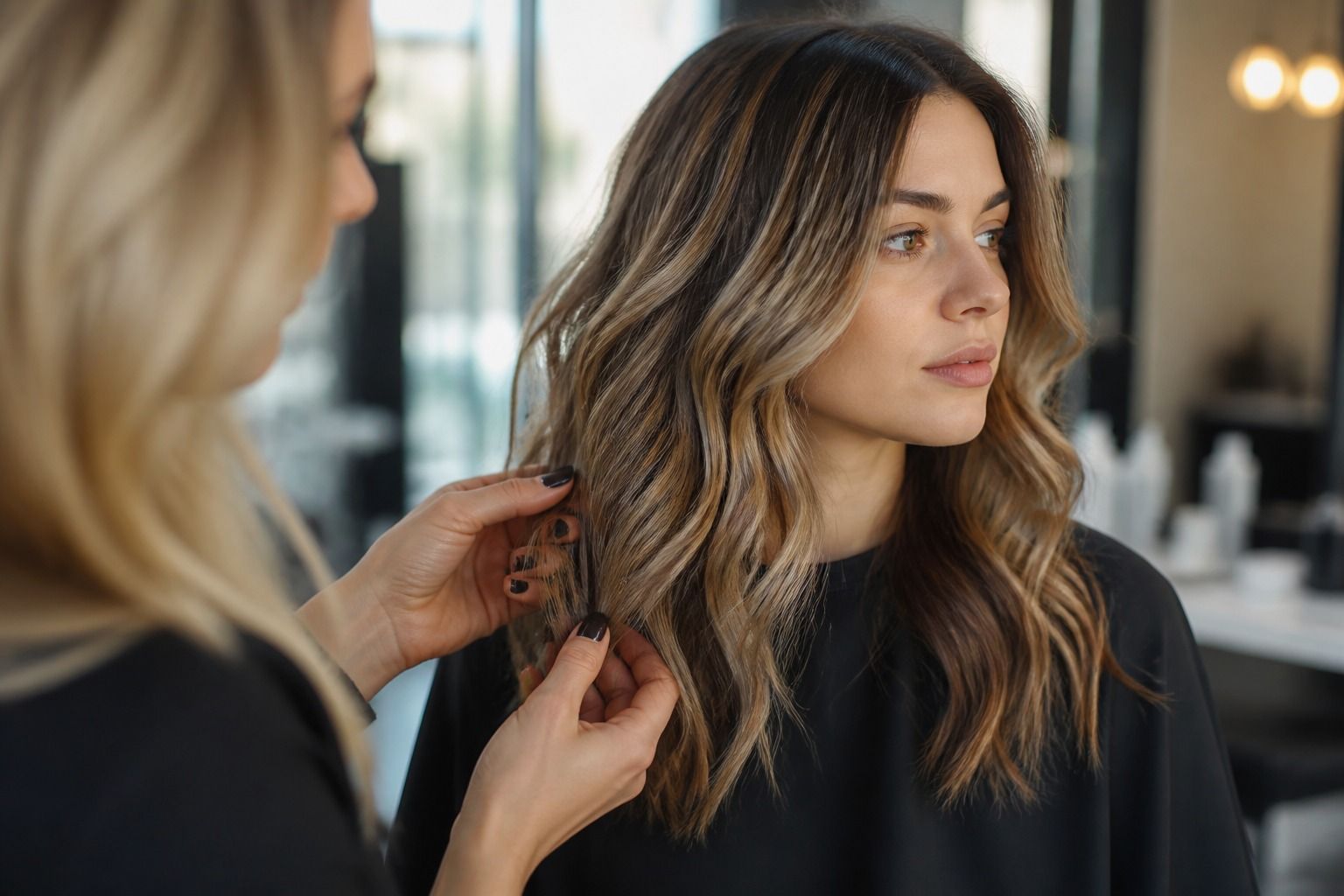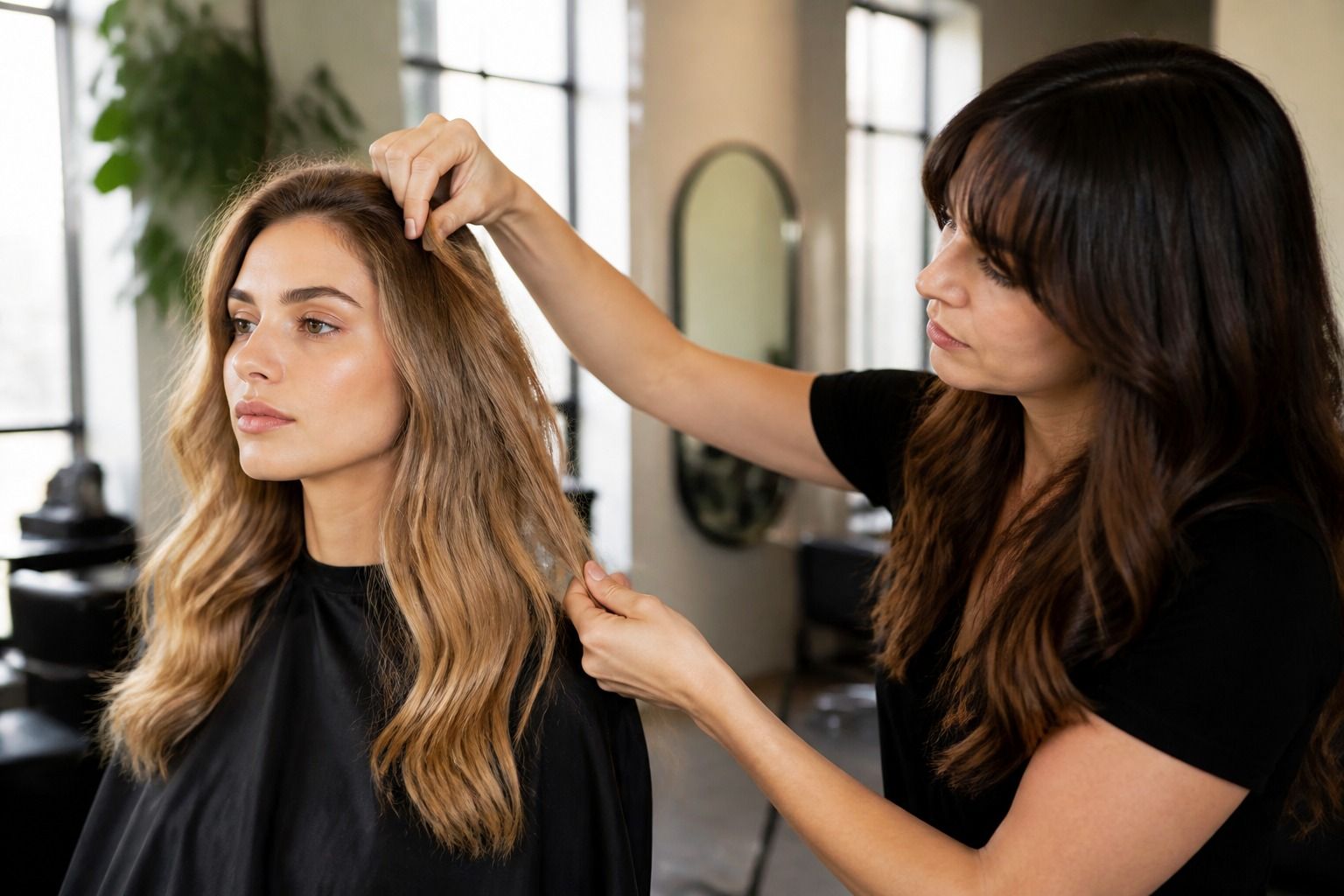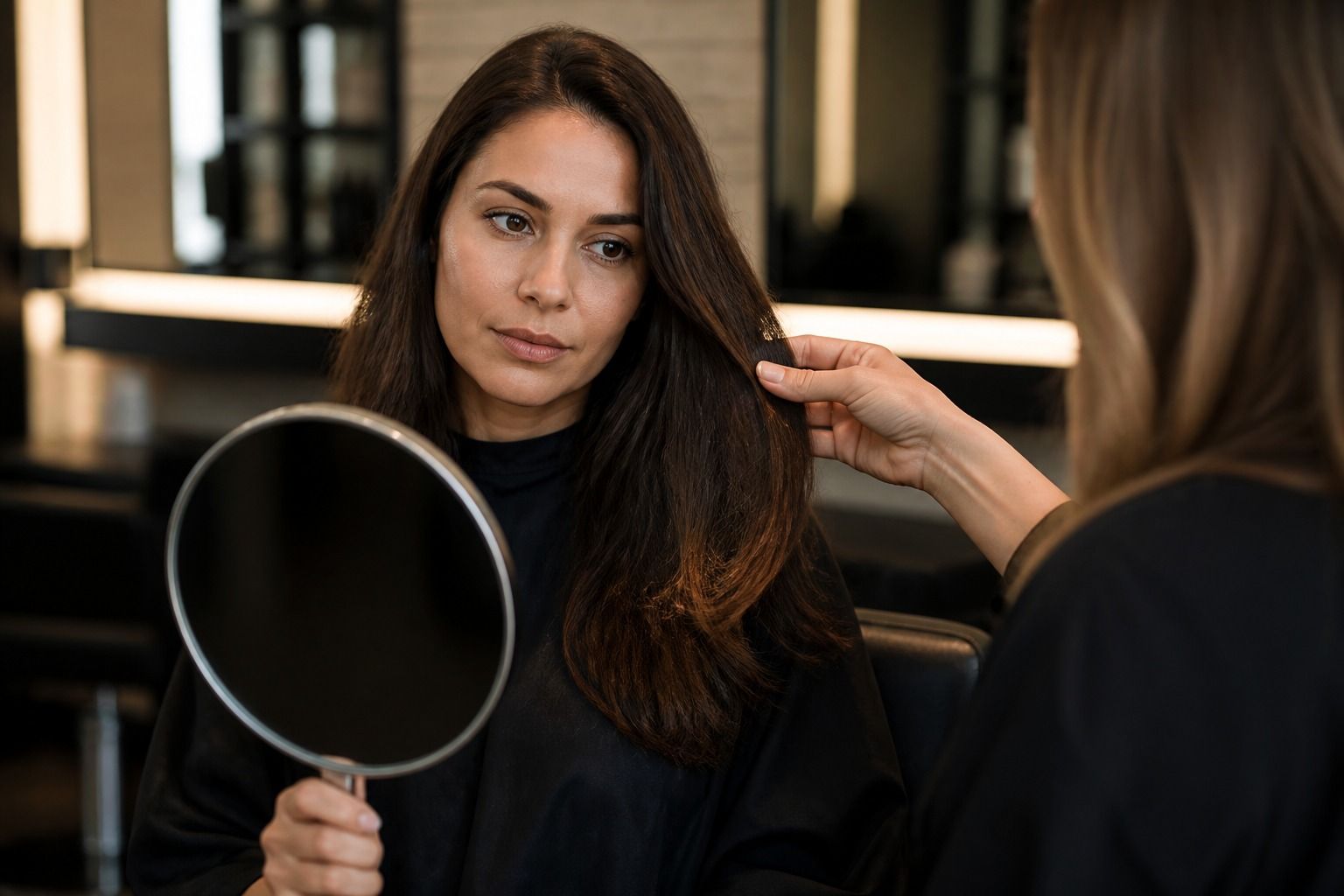
A new hair colour often begins with a screenshot of a shade that looks perfect on someone else. The useful part of hair color analysis comes a little earlier: deciding whether you want more warmth, less contrast, extra brightness, a deeper frame around the face, or simply a fresher version of what you already have. That decision gives a stylist something workable to discuss. A shade name on its own usually does not.
What hair color analysis is actually deciding
Hair color analysis is a way to organise a visual choice. It looks at the relationship between your natural hair depth, the warmth or coolness in your colouring, the contrast around your face, and the amount of upkeep you will accept. It can help you choose a direction. It cannot promise that a particular box, swatch, or edited photograph will become the same result on your hair.
Start with the effect you want people to notice. A softer brown can make a blunt haircut feel less severe. A few brighter pieces near the parting can lift a dark base without turning the whole head blonde. A cool gloss may make an existing brunette look cleaner for a while, while a warmer reflection can make the same depth feel richer in evening light. These are different decisions even when the reference photos are all labelled brown.
Think about your last colour appointment as well. If the change has to grow out through a visible line, your tolerance for maintenance matters before you choose the tone. A full shift from deep brown to a light blonde asks for a different schedule from a gloss, a few highlights, or a subtle change through the mid-lengths. The most flattering option on paper may become the least enjoyable one if the regrowth bothers you after three weeks.
Haircut and colour also share the same visual space. A short, sharp bob can carry a stronger block of colour than long, layered hair because the outline is clearer. Loose waves break up a solid shade and can make blended highlights look lighter than they are. If you are planning a haircut and a colour change together, tell the stylist which one matters most. The same tone may need different placement around a fringe, a face frame, or a heavy perimeter.
How undertone and depth change the result
Undertone is the direction of the reflection. Warm hair may read golden, caramel, copper, or softly beige. Cool hair may lean ash, smoky, violet, or blue-brown. Neutral hair sits between those descriptions, though it can still look warmer in sunlight and cooler under an indoor lamp. Depth is separate. A deep cool brunette and a pale cool blonde share a cool direction while creating very different levels of contrast.
Your natural hair depth is the starting reference a stylist needs. A person with medium brown roots asking for beige blonde is discussing lightening and a new level of upkeep. Someone with naturally light brown hair asking for beige blonde may be discussing a gentler tonal adjustment. The words sound similar, but the work, timing, and likely grow-out can be very different.
Existing colour changes the starting point too. Sun-faded ends, old highlights, a darker band near the roots, or a previous red tone can make one head of hair contain several different bases. The ends may absorb a gloss quickly while the roots stay closer to their natural depth. That is why a single strand from the front of the hair can give a misleading impression of the whole head.
Texture affects the way the eye reads the result. Straight hair shows a clean line between a root shadow and a lighter length. Waves scatter the light, so the same transition can look more blended. Dense curls may hide some colour placement until the hair moves. Fine hair can make a small bright face frame look more dominant than the same pieces would on a thick, layered shape. An analysis should leave room for the way you wear your hair most days, not only the way it looks when brushed smooth.
Brightness deserves its own check. A shade can be light without looking bright, or deep without looking flat. Someone who wants a quieter change may prefer a muted version of a target colour rather than moving several levels lighter. Someone whose face disappears beside a dark block of colour may need a little brightness around the front, even if the overall depth feels right. Ask what should change first: warmth, depth, or brightness. Trying to move all three at once makes the result harder to judge.
Where contrast matters more than a season label
Seasonal language can be a useful shorthand, but facial contrast usually tells you more about scale. Look at the distance between your hair, eyes, brows, and skin in a plain daylight photo. Very dark brows beside light skin create a different frame from medium brown hair, softly defined brows, and eyes that blend into the surrounding colouring. Neither combination limits your choices. They simply change how quickly a new shade becomes the first thing people see.
With higher contrast, a very soft, low-contrast colour can make the face look tired if the depth becomes too pale or too grey. The fix may be a clearer brunette, a stronger root, or a few deliberate pieces around the face rather than an all-over darker colour. A deep shade also needs a little clarity. If it turns muddy, it can look heavier than the original plan.
With softer contrast, a solid black or very bright blonde may create a hard border that the rest of the face does not repeat. Blended transitions often feel more connected here. A muted brown, a rooted blonde, or fine highlights through the top layer can keep movement without forcing a dramatic change. Someone with soft contrast can still wear a dark or bright shade; the placement and amount usually matter more than a rule about what is allowed.
Eye colour can guide the reflection, while the hair's depth sets the frame. Green or hazel eyes may pick up a warm brown or copper glint, but that does not mean the whole head needs to become copper. Blue or grey eyes can look sharper beside a cool brunette, yet a smoky beige highlight may give a better result than a very pale, flat blonde. The useful question is whether the reflection supports the face at the distance people see you, including roots and brows.
Contrast changes with a haircut. A heavy fringe, a close crop, or a blunt shoulder-length cut puts colour beside the face in a clear shape. Long layers and curls distribute the same tone through movement. If your plan includes a new haircut, judge contrast after considering where the hair will sit, not from a colour swatch floating on a white page.
How to turn a result into a salon plan
Take a short note to the consultation instead of arriving with one shade name and hoping it covers everything. Write down your natural root depth, the last time the lengths were coloured or lightened, and what you disliked about the current result. Add the effect you want in ordinary language: softer around the face, less orange in daylight, brighter through the top, deeper at the root, or low maintenance between appointments.
Bring two or three reference images with similar hair length and texture. A photo of long, straight hair is a weak comparison for a short, curly shape, even if the colour looks appealing. Choose images where the roots, sides, and ends are visible. If every reference has a different haircut and a different level of styling, the stylist has to guess which part you are responding to.
Describe your maintenance tolerance plainly. Do you want to return for a regular root refresh, or would you rather let a softer grow-out develop? Are you comfortable refreshing a gloss when the tone loses its shine? Would you accept highlights that are easier to disguise as they grow, even if the first result is less dramatic? These answers often narrow the choice faster than another round of shade names.
Ask how the proposed colour will behave in the light you live in. Warm indoor bulbs can make a cool brown appear warmer. Direct sun can exaggerate golden pieces. A salon mirror may show a polished finish that you will not recreate every morning. Ask where the colour will look brightest, what will show first as it fades, and whether your usual parting will expose a different root line. Practical questions protect the idea from the perfect lighting of the consultation.
It also helps to separate the all-over colour from the details around your face. A darker base with a few fine highlights is a different maintenance choice from a full blonde. A gloss can adjust reflection without changing the depth much. Lowlights can give a light base more shape. Face-framing pieces can raise contrast even when the rest of the hair stays close to its natural depth. Tell the stylist which of those effects you would notice and which one you could live without.
When a smaller change is the better answer
A smaller change makes sense when the target shade is far from your starting point, when your colour history is mixed, or when you are unsure about living with a new contrast level. It is also sensible after a haircut change. The outline of the hair can alter the way a tone sits around the face, so you may learn more from a gloss or a few placed highlights after the cut than from committing to a full transformation in the same appointment.
Try changing one variable at a time. A neutral brunette can move a little warmer through a gloss, then decide whether more brightness is needed. A light brown can add a face frame before the lengths are lifted. A deep base can soften its grow-out with a blended root while the ends stay familiar. These steps are easier to compare in photographs because you still recognise the starting point.
Grey blending is another case where the best-looking plan may be gradual. Visible silver at the roots, dark lengths, and a wish to reduce the line between them call for a conversation about placement and maintenance, not a promise of one perfect shade. Curly hair may need colour placed with its natural shrinkage and parting in mind. Very porous ends may hold a cool reflection differently from a healthy root. Those details are reasons to refine the plan, not reasons to abandon the idea.
The strongest result from hair color analysis is a clear choice about direction. You should know whether you are asking for a warmer or cooler reflection, a deeper or lighter frame, more or less contrast, and a maintenance level you can keep. The exact final tone still depends on the starting hair, the placement, the texture, and the light around you. That is a realistic limitation, but it also makes the salon conversation much more useful.