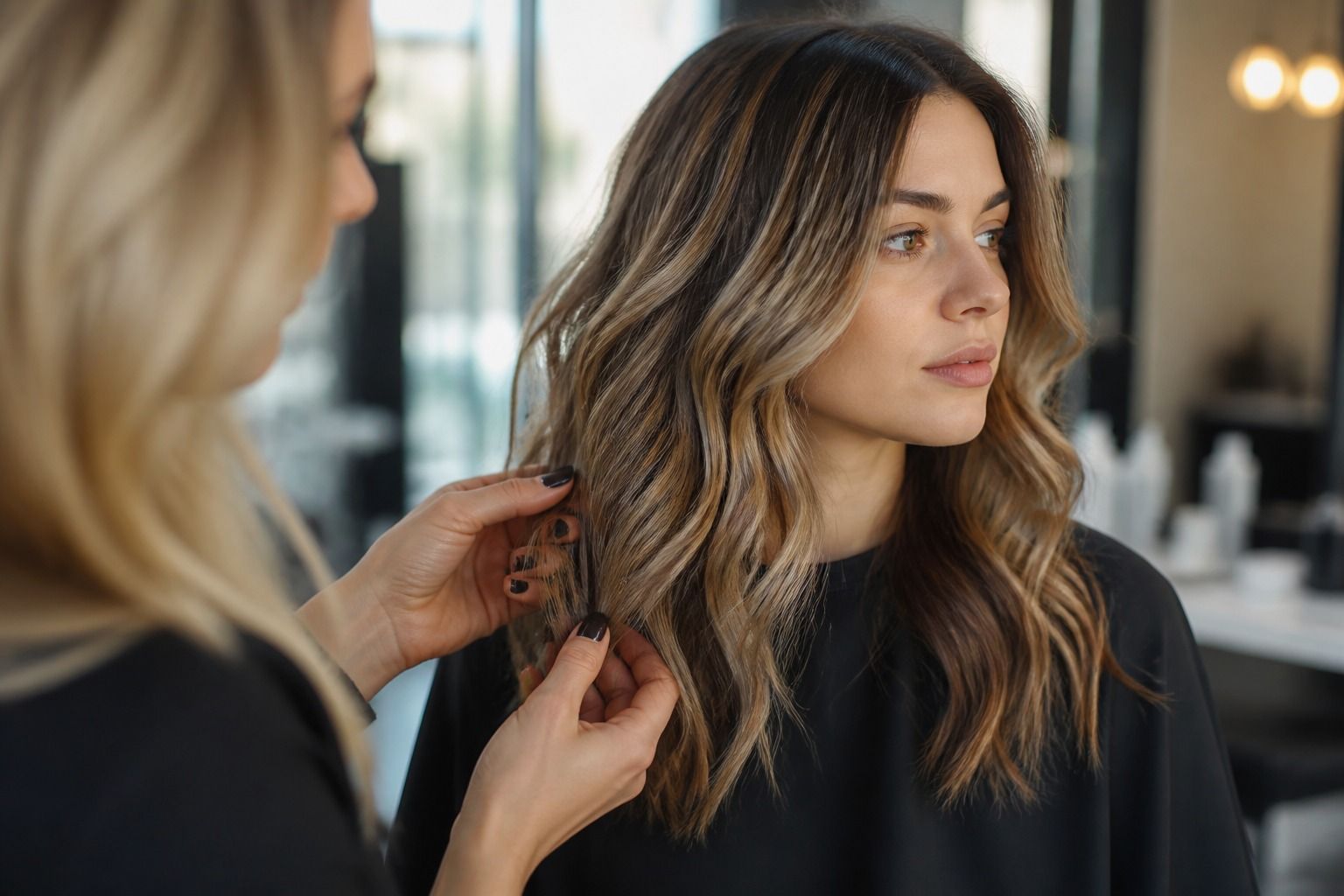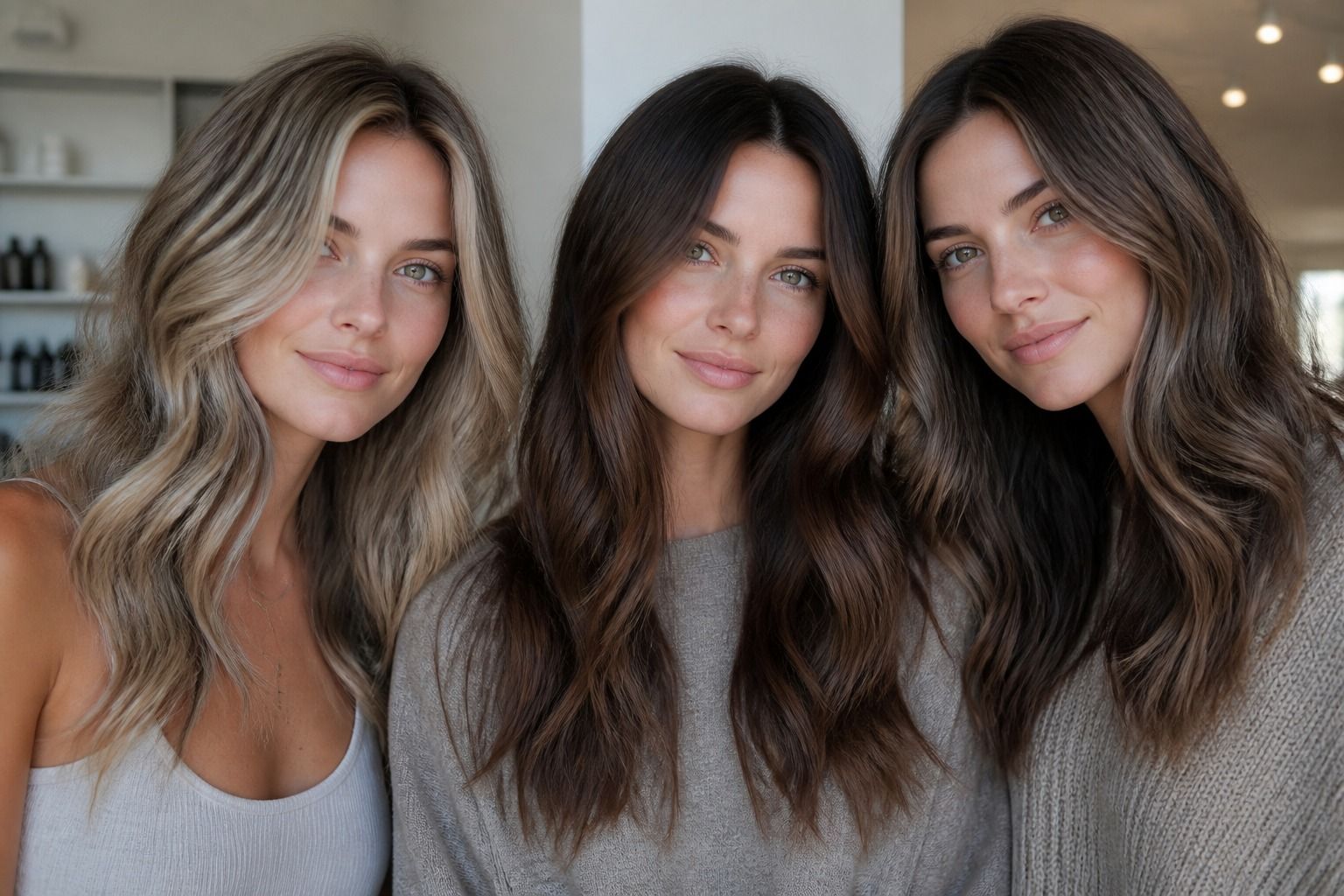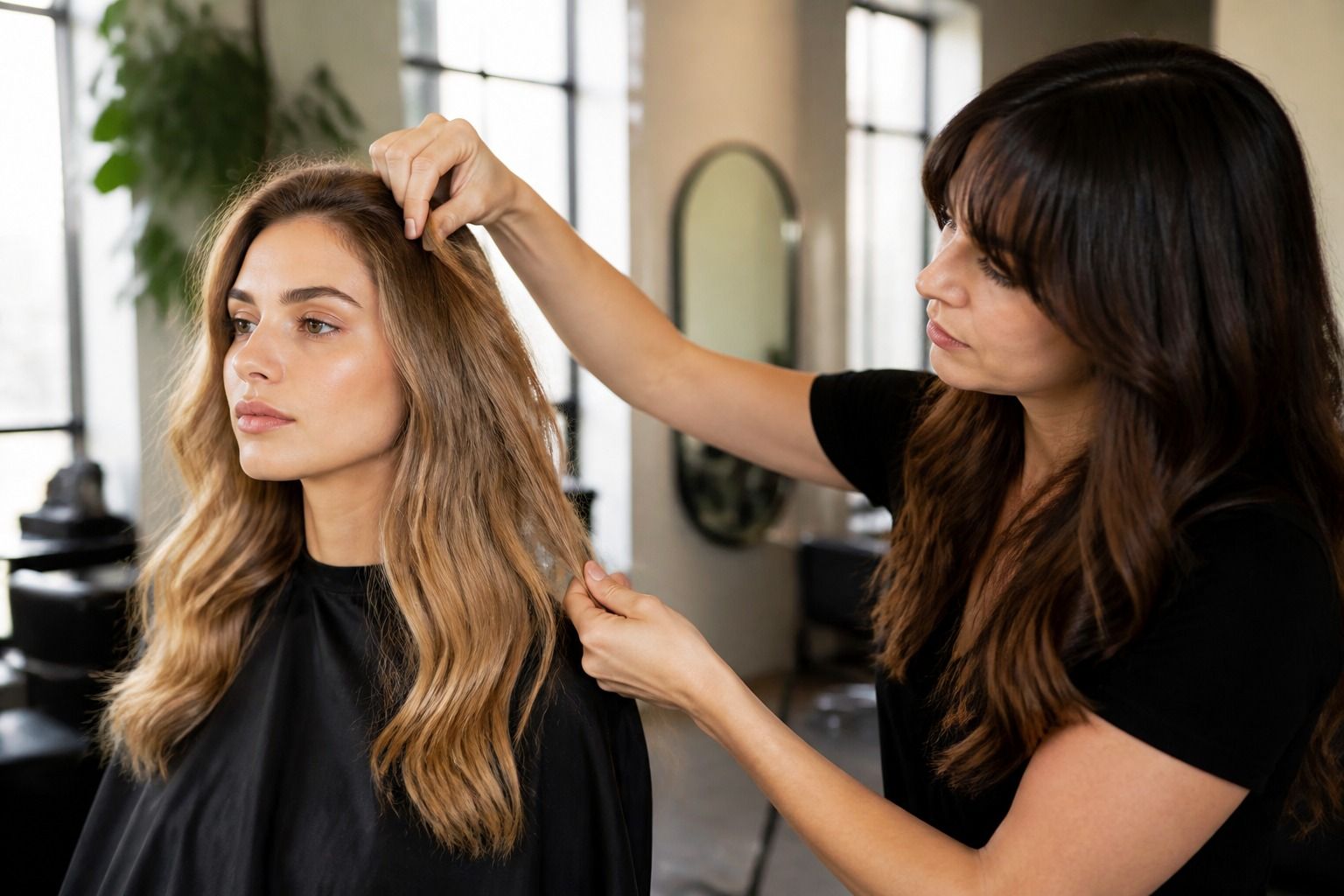
The phrase color analysis hair can sound like a set of permissions and prohibitions. In practice, it is more useful as a way to notice relationships: how warm or cool the hair looks beside the skin, how much difference sits between the hair and the brows, and whether the eyes repeat the same level of contrast. Those observations can guide a colour choice, but they do not decide what you are allowed to wear. Hair still has a starting shade, a texture, a haircut, and a history that a palette cannot see.
What colour analysis can and cannot tell you about hair
Colour analysis can help you compare direction, depth, clarity, and contrast. It may explain why a muted brown feels connected to your face while a very bright blonde feels separate, or why a cool reflection looks clean in daylight but grey under a warm lamp. It can also show where a small change, such as a face frame or a gloss, may have more impact than a full head of colour.
It cannot read the exact behaviour of dyed hair from a season label. A natural brunette with old highlights does not have one even base. A person with grey at the parting may need a different grow-out plan from someone with a solid natural root. Curly hair can display a highlight in separate ribbons, while straight hair may show the same placement as a clear stripe. Those physical details belong in the salon conversation.
Seasonal palettes can offer names for colour families, including cool, warm, muted, or clear directions. Use those names to collect ideas, not to close the discussion. If a palette suggests a cool brunette and you love a warm chestnut, compare the intensity and placement. A softer chestnut near the face may work better than an all-over copper. The goal is to understand why one version feels easier to wear, not to produce a verdict.
Natural roots are useful evidence because they show the depth you live with before light, styling, and colour shift the picture. Look at the root beside the brow and eye area, then look at the lengths separately. A lighter or warmer end does not change your natural depth. It may change the contrast you see in a photograph, which is why root and length should be considered together but not confused.
How contrast changes the impression of a shade
High contrast creates a clear border. This can happen when dark hair sits beside light skin, when deep brows frame lighter eyes, or when the hair is much deeper than the overall face. High contrast often carries a clean brunette, a cool dark shade, or a defined face frame well. The colour does not have to be black. A clear medium brunette may create enough separation without making the face look heavy.
Soft contrast has smaller differences between the hair, brows, eyes, and skin. Blended transitions tend to feel calm here because the eye can move through the colour without stopping at one hard line. A muted brown, soft beige, or fine highlight pattern may look more connected than a solid block of very dark colour. That is a matter of balance, not a rule against strong shades.
Look at the face from a normal distance. A colour that seems dramatic in a close selfie may feel ordinary when the hair is worn down and viewed across a room. A broad blonde face frame may be gentle on long hair but dominant on a short bob. A dark root can add useful definition to a light base, while the same root may make a high-contrast face look even sharper.
Eye contrast helps with the impression of clarity. Clear, bright eyes can be supported by a clean reflection, while softer eyes may sit comfortably beside a smoky or muted tone. This does not mean the hair must copy the eye colour. A cool brown can make blue or grey eyes look more distinct, and a warm brown can bring a small amber reflection to hazel eyes. The depth and placement decide how visible that effect becomes.
Brows are part of the frame too. A very pale blonde beside deep brows may look intentionally graphic, while a softer brow colour may make the transition less severe. Darkening the hair without considering the brow colour can make the face feel top heavy. If you are changing depth significantly, ask whether the brow contrast should stay strong or be softened through the overall styling rather than treating the hair colour as a separate object.
Why undertone is not the same as lightness
Undertone describes warmth or coolness. Lightness describes depth. A deep espresso brunette can have a cool reflection, while a light honey blonde can have a warm reflection. Two shades at a similar depth can also behave differently: one may look neutral brown, the other may show a red or golden cast. Calling a colour light or dark does not tell you which direction the reflection takes.
Skin undertone can help you notice whether a reflection feels comfortable beside the face. Warm reflections may echo golden, peach, or olive notes. Cool reflections may sit more easily beside pink, blue, or rosy notes. Many people are between those descriptions, and the result can change with makeup, clothing near the face, indoor light, and the natural flush in the skin. Treat undertone as a comparison tool rather than a permanent label.
Brightness adds another layer. A cool shade can be smoky and quiet or sharp and bright. A warm shade can be muted brown or vivid copper. If a cool tone looks dull, the problem may be low brightness rather than the direction itself. If a warm tone feels loud, a softer version or a smaller placement may solve the issue without switching to a completely cool palette.
Hair condition and texture affect reflection. Smooth straight hair can throw back a clear shine, making a warm piece look more intense. Waves and curls scatter the light, so colour may read as a series of softer ribbons. Dry or porous ends can hold a toner or gloss differently from the root, which is why a colour that looks balanced at the chair may settle unevenly through the lengths. A careful plan accounts for that variation instead of treating every strand as identical.
The starting shade limits the route more than a colour chart suggests. Moving from a natural light brown to a soft beige may be a modest tonal decision. Moving from a deep artificial brunette to the same beige is a larger conversation with more variables. The palette can still explain the desired direction, but it cannot remove the distance between the starting point and the target.
Where highlights and face frames fit
Highlights change contrast through placement as much as through tone. Fine ribbons scattered through the top layer can add movement while keeping the overall frame soft. A few stronger pieces beside the cheeks create a clearer focal point. Lowlights can give a light base depth and stop the colour from looking flat. The same warm or cool reflection behaves differently depending on how much hair carries it.
For soft contrast, blended transitions often work well because there is no sudden boundary at the parting or around the hairline. A natural root with fine beige or muted brown pieces can keep the face open without making the colour look painted on. If the hair is curly, ask how the placement will look when the curls contract and move. A highlight that seems narrow when stretched may appear broad in the finished shape.
For high contrast, a face frame can be deliberate rather than delicate. A clear lighter piece or a deep front section may repeat the contrast already present in the brows and eyes. It still needs proportion. A very wide stripe can overpower a small haircut, while a few precise pieces may give the same clarity with easier grow-out. The stylist should see the way you part and pin your hair, because placement follows your habits.
Haircut changes the pattern. Layers break up highlights and make a transition flicker as the hair moves. A blunt cut shows the ends as a stronger line. A fringe changes which pieces sit closest to the eyes. If you are using colour to frame the face, discuss the cut and the colour together. The same face-framing highlight can be subtle with long layers and much louder with a short, solid outline.
Maintenance is part of the visual design. Strong contrast shows regrowth sooner when the natural root is far away from the coloured length. Fine highlights and a softer root may give the same sense of brightness with a quieter grow-out. A gloss can refresh the reflection without moving the whole colour to a new depth. Decide whether you want the first appointment to create impact or to make the next few months easy. Those are different priorities.
How to make the rule useful rather than rigid
Use colour analysis as a short list of questions. Does the shade need to be warmer, cooler, softer, clearer, deeper, or brighter? How much contrast do you want around the face? Which part of the hair should carry the change? How will the natural root look beside it? What happens when the hair is air dried, tied back, or viewed under the lights in your home?
Choose two or three plausible directions instead of one supposedly correct answer. For example, you might compare a cool medium brunette with a neutral brown and a warmer chestnut. Keep the depth similar while changing the reflection. Or compare a full muted blonde with a natural root and a smaller face frame. When only one variable changes at a time, you can tell what you like rather than reacting to the whole image at once.
There are useful edge cases. Grey can make a dark root look lighter at the parting and may call for blending rather than a solid cover. A previous red or copper tone can continue to influence the length even after it looks brown. Very short hair exposes the hairline and crown, so placement matters more than a long-hair reference suggests. Hair worn in curls may hide some pieces and reveal others as it moves. These are practical reasons to adjust the plan.
Lighting deserves a final check. Compare the colour in open daylight, the light near your bathroom mirror, and one ordinary indoor room. A warm reflection may look inviting in one place and too orange in another. A cool shade may look fresh outside and flat under a grey ceiling light. If your preference changes with the room, describe that honestly to the stylist. The aim is a shade that behaves acceptably in your real routine.
Rules become useful when they explain a choice you can see and maintain. They become restrictive when they tell you that a colour is forbidden, ignore the starting hair, or treat a seasonal label as a diagnosis. Undertone, eye contrast, facial contrast, brow colour, and natural roots can help you choose the scale and direction of a change. Your texture, haircut, colour history, and comfort with grow-out decide how that idea should be built.
A good salon conversation might finish with a clear direction rather than a fixed name: a deeper neutral brunette with a soft face frame, a warm brown gloss over the natural depth, or fine cool highlights with a blended root. That language leaves room for the hair in front of the stylist. It also keeps colour analysis in its proper place, as a way to make the decision clearer rather than a rulebook for your appearance.