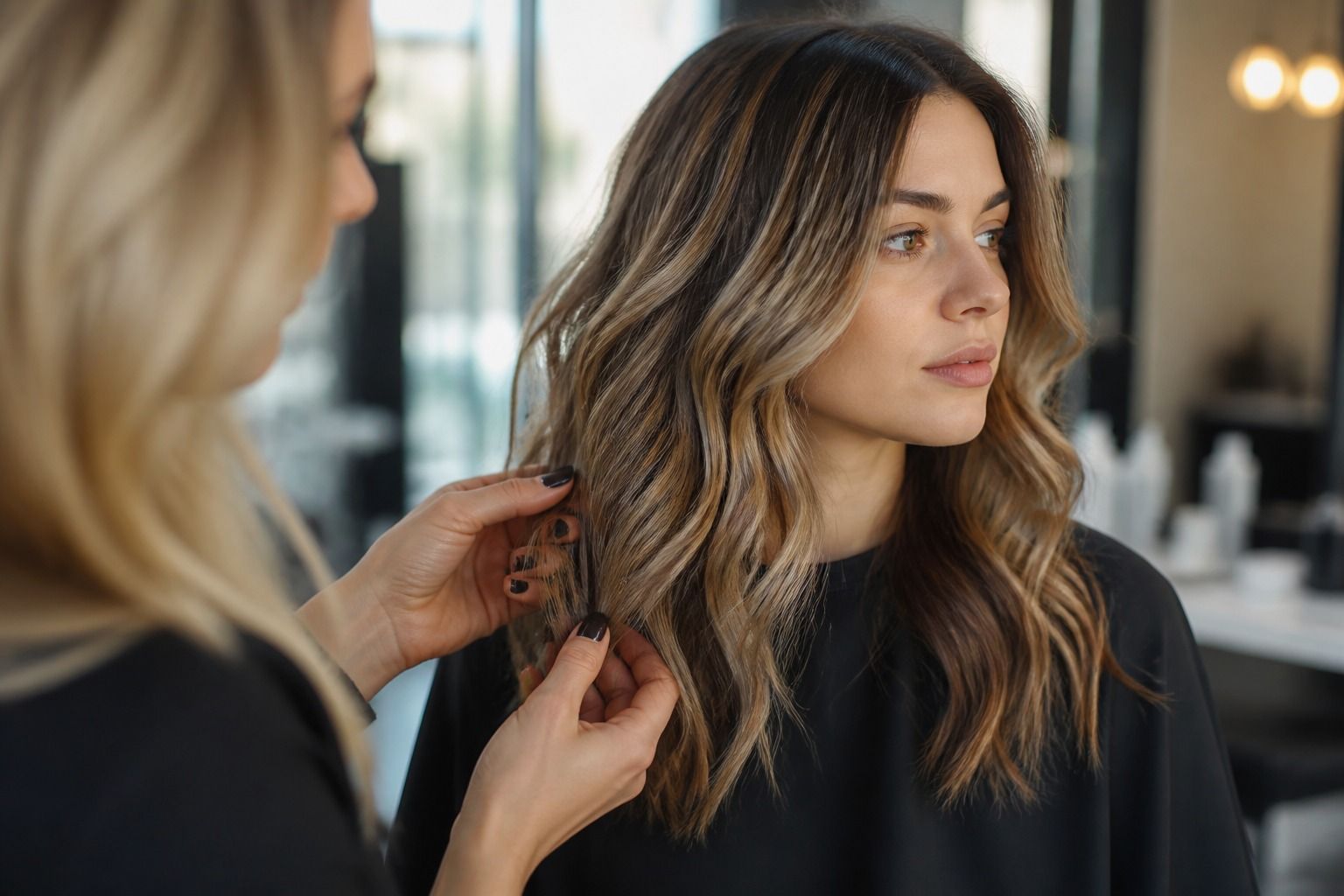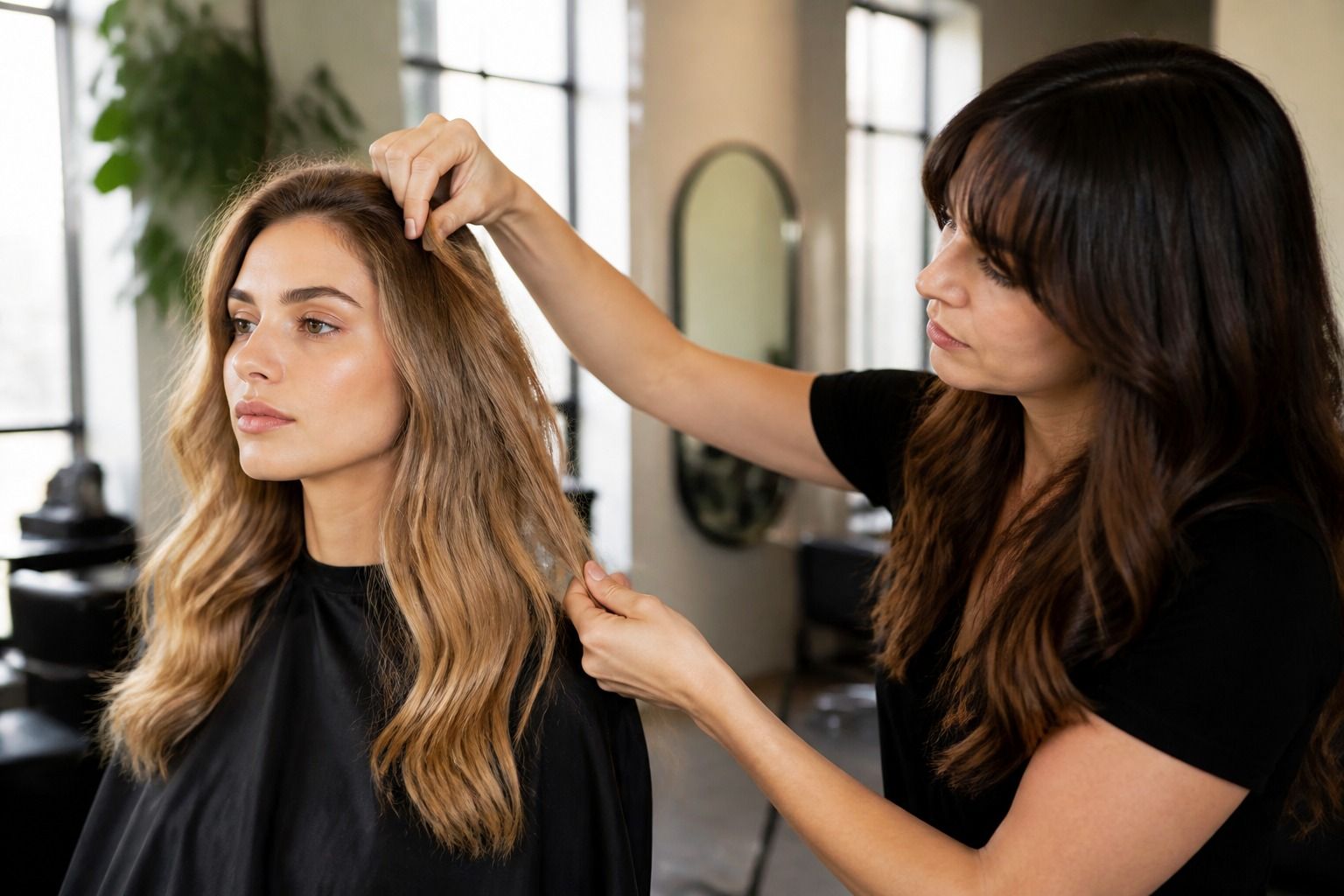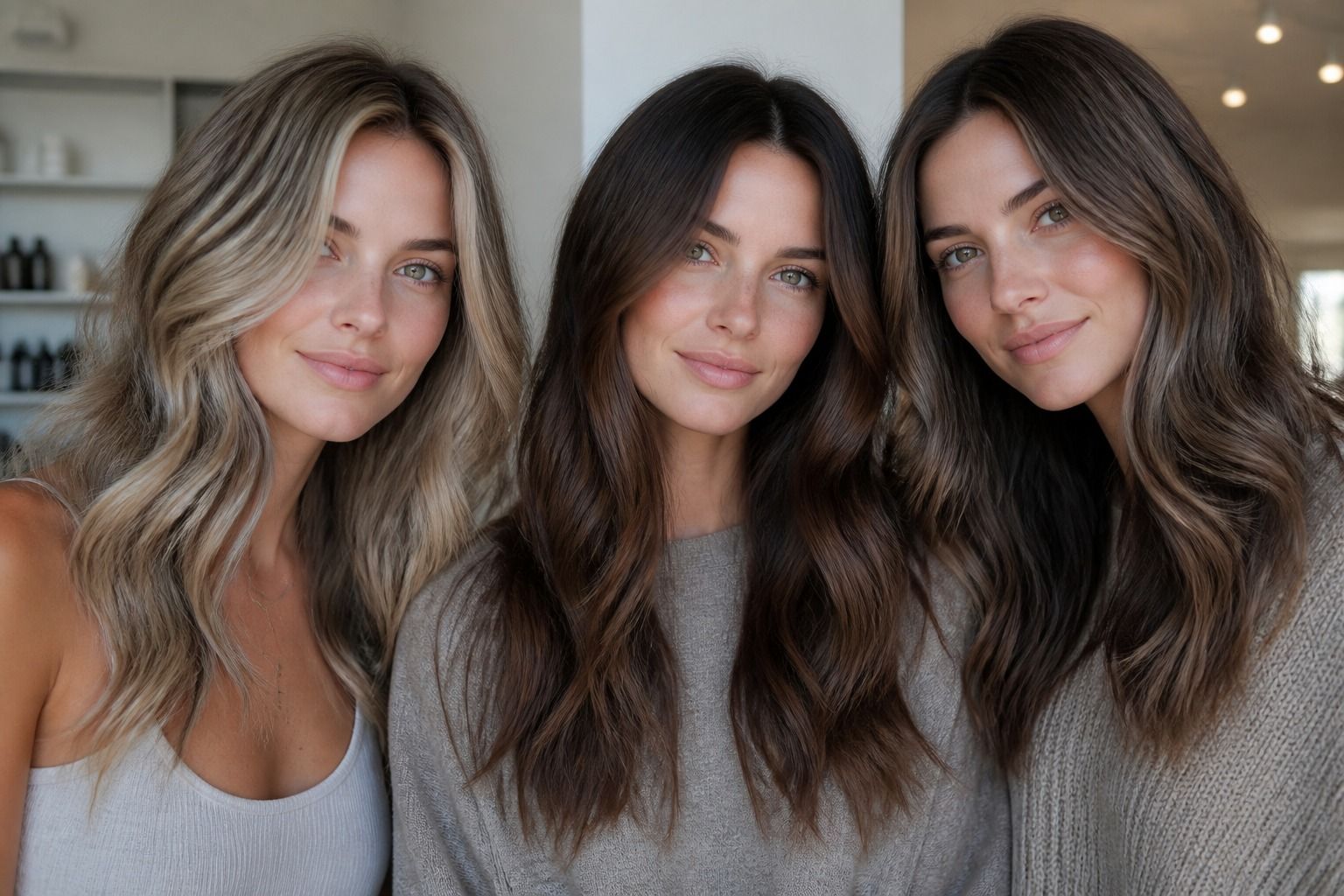
A good Cool Summer hair color does not need to look silver, frozen or visibly grey. The softer version usually sits in a narrow middle ground: cool enough to calm warmth, light enough to keep the face open and muted enough to avoid a hard block of colour. That makes the choice less about finding the coldest shade on a chart and more about balancing your natural base, contrast and tolerance for regrowth.
A soft result is about value, not just temperature
Cool hair is often described with words such as ash, icy or blue-based, but those words do not tell you how the colour will sit around your face. A very pale icy blonde may be cool and still feel too sharp if your features look better with gentle contrast. A dark blue-black can also be cool, yet it may create a heavy outline that overwhelms a soft complexion. Cool Summer colour usually works better when the temperature is controlled and the visual effect stays blended.
Think first about the impression you want in daylight. Smoky beige has a little warmth left in its depth, but the finish does not read golden. Mushroom tones are usually brown or dark blonde with a muted, slightly grey cast. A cool brunette can be neutral-cool rather than visibly blue. These options have different starting points, so a photo of one cannot be used as a promise for another.
The most useful reference is often a real head of hair photographed near a window, with the roots visible. Studio lighting can make a neutral beige look icy and can hide how much contrast the shade creates against eyebrows and skin. Ask yourself whether the root, mid-lengths and ends sit together or whether the picture depends on a very bright front section. That small check prevents many unrealistic salon requests.
Choose depth from your natural base and contrast
Your natural base sets the first limit. A dark brown base cannot become a pale smoky blonde in one casual colour appointment, and a previously lightened length may behave very differently from untouched roots. The final result depends on what is already in the hair, how even that base is and how much change you are willing to maintain. A colourist needs that history before choosing a formula or deciding whether the first step should be a lighter service.
For someone with naturally medium blonde or light brown hair, a cool beige, mushroom blonde or soft cool brown may need only modest adjustment. The result can stay close to the natural depth while taking away the yellow or orange cast that makes the hair feel too warm. On dark blonde hair, a few muted lighter pieces may be enough to open the face without turning the whole head blonde.
Dark brunette hair needs a different conversation. Pulling it lighter can expose warm stages, and a cool brunette over an uneven base may look polished near the roots but muddy through the ends. If the aim is softness, a colourist may keep the main depth and add restrained brightness around the face or through the surface. That often gives a more believable Cool Summer effect than chasing a pale shade everywhere.
Use your eyebrows and eyes as a practical contrast check. If the hair is much darker than both, the new colour can make the face look quieter rather than softer. If it is much lighter and brighter, the hair may become the first thing people notice. The right depth is not a fixed number. It is the level that lets your features remain visible without a strong outline.
Keep smoky tones bright enough to frame the face
Smoky colour needs brightness control. Too much brightness can push it toward icy blonde, while too little can make it look dull in ordinary indoor light. This is why a smoky beige that looks elegant in a salon mirror may appear flat in a hallway or on a winter morning. The middle lengths need enough light to reflect, especially if the cut has movement rather than a single solid shape.
Fine ribbons can help when the existing hair is one even block of brown or blonde. They create small points of light without changing the whole depth. A few brighter pieces near the cheekbones may be useful, but a wide, pale face frame can change the contrast of the entire look. If your natural colour is soft, ask for the front to be only a little brighter than the rest rather than automatically choosing the lightest option.
On porous ends, cool pigment can collect and make the tips look darker or more grey than the roots. A gloss can refresh the tone, but it cannot correct every uneven lift underneath. If the ends have been lightened several times, show the colourist the parts you like and the parts you want less visible. The practical question is whether the hair needs tone, brightness, or both.
A blue-violet toner is one way a salon may control unwanted yellow, but the name of the toner is less important than the balance it creates on your base. The same cool product can look clean on pale yellow hair and too dull on porous, already-muted ends. Ask what the colour is expected to look like after a few washes, not just while it is freshly finished.
Make the salon conversation specific
Bring a short description instead of a single label. You can say that you want cool-toned hair with soft contrast, a natural-looking root and enough brightness around the face to avoid a grey cast. Then add the depth you can live with and the level of regrowth you are prepared to see. This gives the colourist decisions to work with rather than asking for a category that different people interpret differently.
Tell them your starting shade in plain terms, including old highlights, box colour, previous darkening and any section that has been lightened more than once. Mention whether you wear your hair straight, wavy or tied back most days. A colour that looks even on a smooth blow-dry can show strong bands when the hair is air-dried or placed in a ponytail. Texture changes the way the same shade catches light.
Use reference images for the relationship between root, mid-length and ends. One image may show the right smoky beige but the wrong level of brightness. Another may show the right contrast but a cut or texture that makes the colour look different. Point out the feature you are borrowing: the muted tone, the gradual root, the narrow face frame or the cool brown depth. That is more useful than asking for an exact copy.
If you are unsure, a small change is easier to assess than an all-over commitment. A gloss or a few low-contrast pieces can show whether the temperature feels right against your skin and wardrobe. You can add brightness later. Correcting an overly light or overly grey result usually requires another decision about depth and warmth, not just a quick rinse.
Know when the shade has gone too grey
Cool and grey are not the same thing. A cool Summer result should still have dimension, movement and a sense of hair rather than a single dusty filter. If the skin looks tired, the eyes lose definition or the ends appear darker than the rest, the tone may have been pushed too far toward grey. This can happen when a very muted formula meets porous hair, when the base was not lifted evenly or when brightness was removed in an attempt to cancel warmth.
Check the colour in three places: indirect daylight, a warm indoor room and a phone photo without a filter. A shade that looks balanced in one setting may reveal a flat cast in another. Also check the roots separately from the ends. If the roots look natural but the ends look smoky and heavy, the issue may be deposit on porous sections rather than the whole colour choice.
The answer is not always to add obvious warmth. Sometimes the hair needs a clearer neutral balance, a softer gloss or a little brightness restored through selected pieces. If the result is too dark, adding more cool pigment will not open it. If it is too pale, deepening every strand may create the heavy contrast you were trying to avoid. The correction depends on what changed: temperature, depth, brightness or evenness.
A convincing cool summer hair color should leave room for real life. Roots will grow, ends will fade at different speeds and indoor lighting will never flatter every shade. A soft smoky blonde, cool brunette or mushroom tone can work beautifully when it is chosen from the actual natural base and maintained at a level that still looks intentional between salon visits.