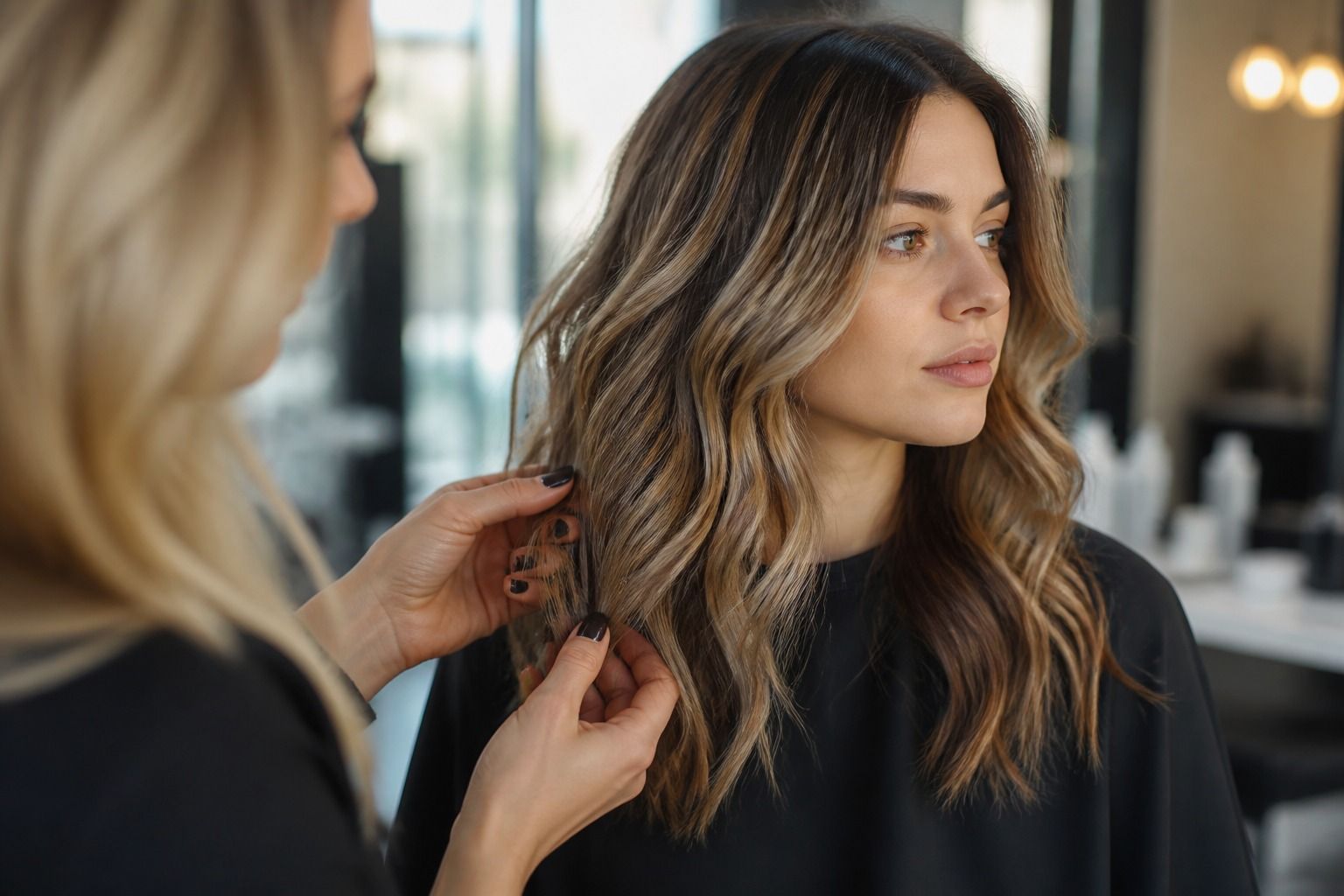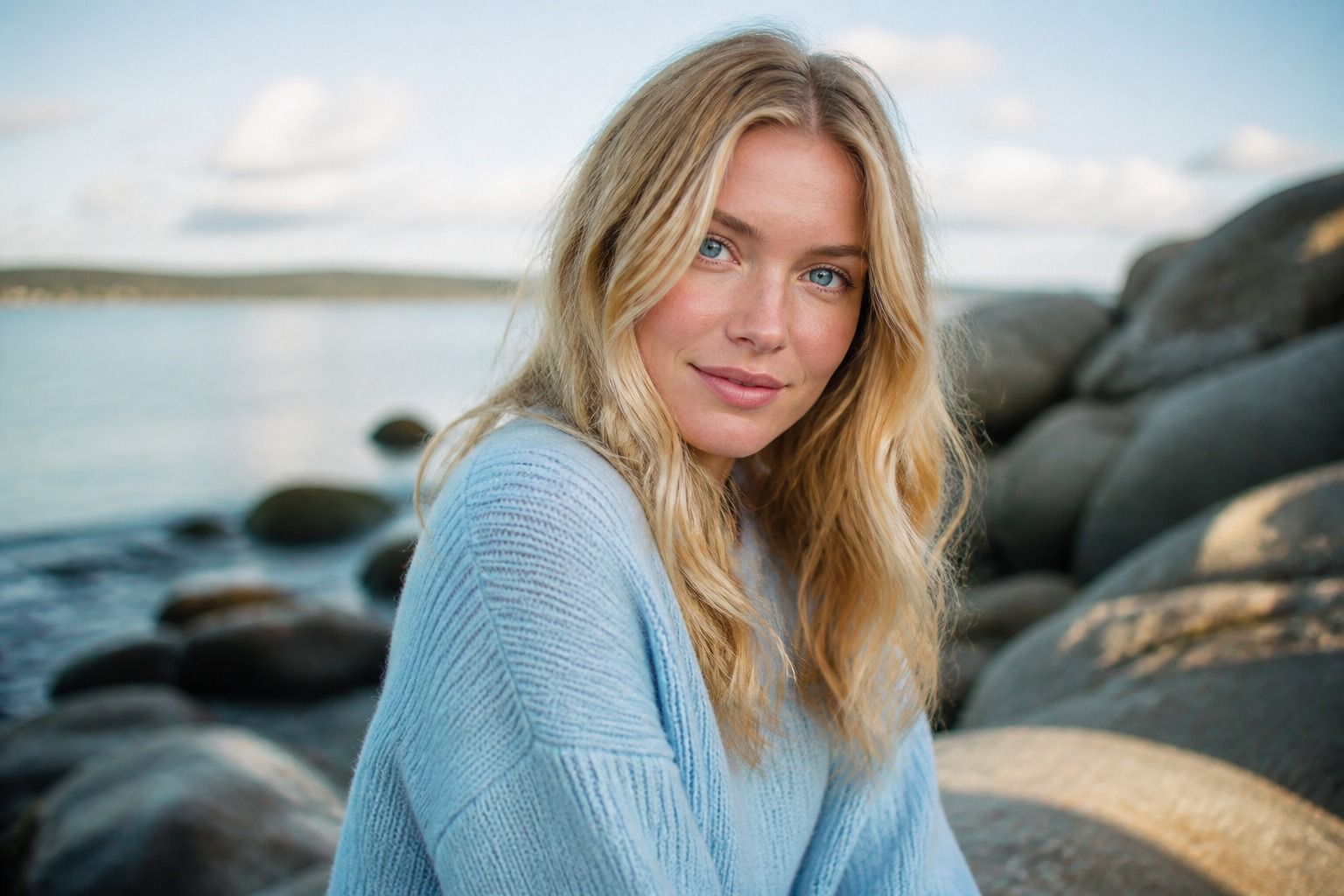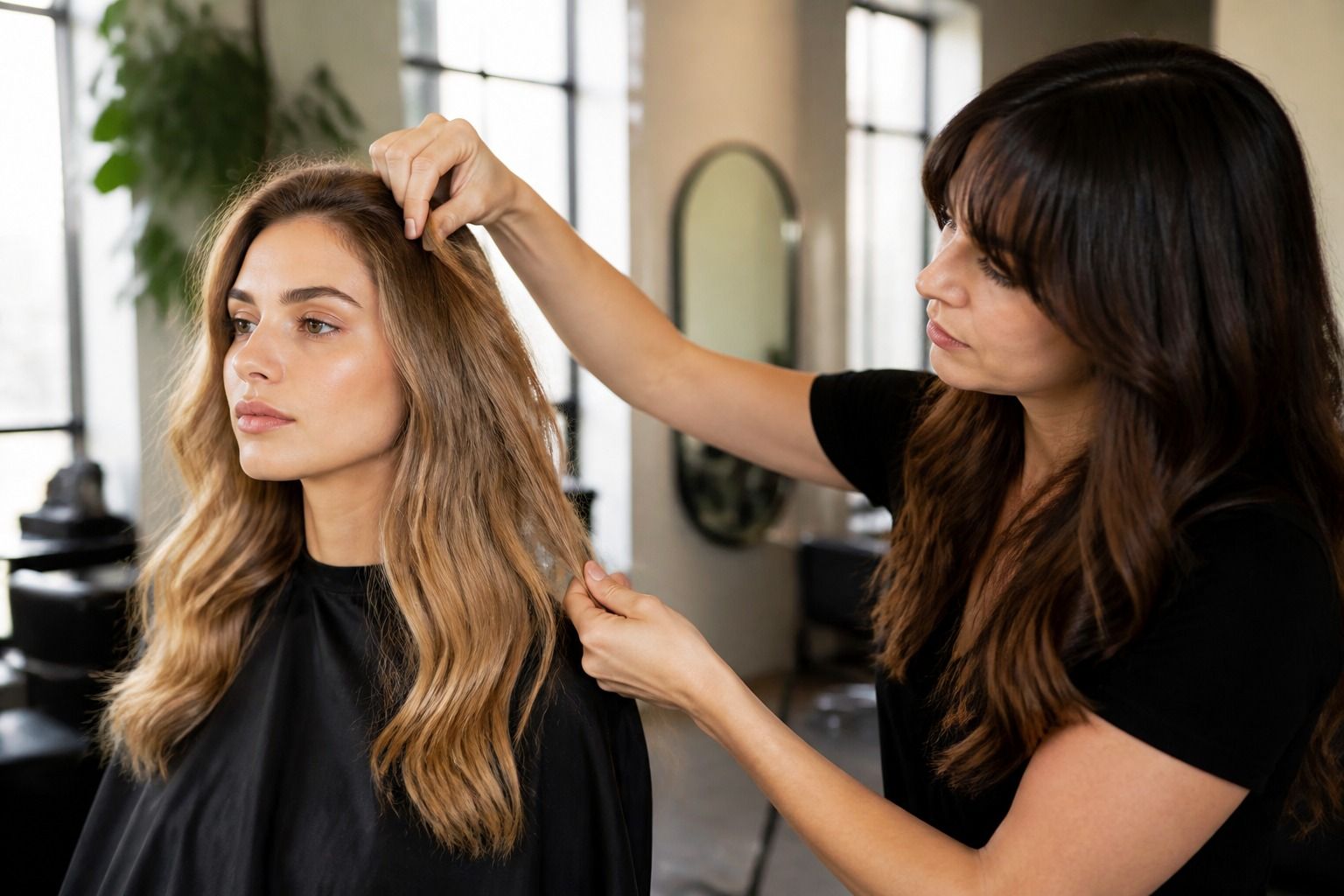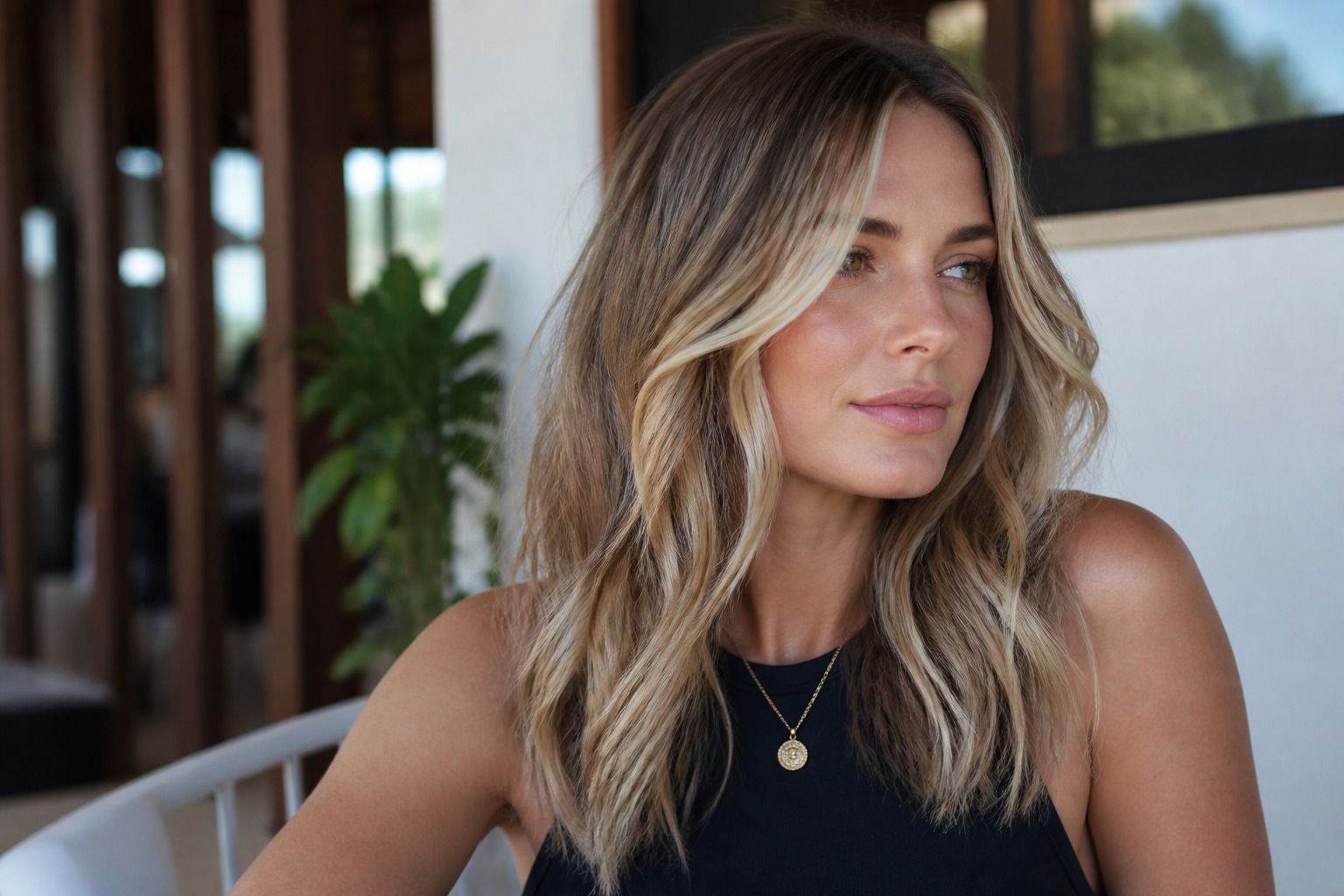
Cool Summer hair color ideas work best when they are chosen by scale. A few fine ribbons, a quiet face frame and a cool beige gloss can change the way the hair catches light without turning it into a bright, high-contrast project. The right technique depends on your starting shade, texture and appetite for regrowth, so decide how much change you want before choosing the name of the colour service.
Pick the scale of change first
There is a large difference between wanting a cooler impression and wanting to look visibly blonde. If your natural hair is medium blonde or light brown, a handful of muted highlights may be enough to make the colour feel clearer. If the base is dark brown, the same request may require more lightening than the reference image suggests. Begin with the result you want people to notice: more brightness, less warmth, extra dimension or a new overall depth.
Fine ribbons are the smallest change that still reads as highlights. They place narrow pieces through the surface and can be spaced to leave plenty of natural hair between them. Babylights take a similar restrained approach, often working well when you dislike chunky contrast. A face frame is more visible because it changes the pieces around the front of the face. It can be subtle, but its position makes it feel stronger than the same number of highlights at the back.
Balayage gives a different kind of scale. The lighter pieces can begin away from the root and become more visible through the mid-lengths and ends, which helps create a softer grow-out. It is not automatically low maintenance or naturally cool. On a warm starting base, lightened sections may need a tonal adjustment to become smoky beige, mushroom or cool blonde rather than golden.
| Idea | Visual change | Useful when | Watch for |
|---|---|---|---|
| Fine ribbons | Small points of brightness through the surface | You want dimension without losing your natural depth | Too many pieces can turn a soft result into a solid blonde |
| Babylights | Very delicate, close-set lightness | Your hair is fine or you dislike strong stripes | They can require careful placement to avoid a flat overall lift |
| Soft face frame | Brightness concentrated around the front | You want the face to look more open | A wide or very pale frame raises contrast quickly |
| Mushroom balayage | Muted lightness that begins softly from the root | You want a visible change with a gentler root line | The tone may look dull if the base is not bright enough |
| Cool beige gloss | More polish and a cooler surface tone | The depth and highlight placement already work | A gloss cannot create missing lightness |
Use the table to narrow the request, then let the actual condition and colour history decide the details. A technique name cannot override an uneven base or a head of hair that has already been lightened several times.
Use fine highlights and face frames with restraint
Fine highlights look most natural when their spacing follows the way the hair falls. Pieces along a centre part may need a different pattern from pieces around a side part. Hair that is usually tied back needs enough brightness in the lengths to avoid a dark band when the ponytail moves. The best placement is based on your habits, not only the shape of the haircut in a salon photograph.
For a soft Cool Summer effect, ask for a gradual relationship between the natural base and the lightest pieces. The highlights do not all need to be the same shade. Slight changes in depth can keep the result from looking like a single sheet of colour, especially on straight hair. If the base is already light, smoky blonde or cool beige ribbons may be enough. If the base is dark, keeping the pieces fewer and closer to the face may be a more realistic first step.
A face frame deserves a separate decision about width and brightness. One or two narrow pieces can catch light near the eyes and cheekbones. A broad pale section can dominate the haircut and create a sharp edge against a low-contrast complexion. Ask to see where the frame will begin when the hair is parted normally. The result may look delicate when it is brushed forward and much stronger when the hair is tucked behind the ears.
Low contrast does not mean invisible. You can keep the front pieces close to the main hair colour and still add movement through the ends. On fine hair, a few well-spaced ribbons often create more useful dimension than many tiny pieces, which can merge into a uniformly lighter surface. On thick hair, the colourist may need to consider the hidden layers so that the hair does not look highlighted only on top.
Dark natural hair is an edge case worth discussing early. Lightening a dark base can reveal orange or copper stages before a cool tone is possible. If you want a mushroom balayage from deep brown hair, the first appointment may create a more neutral or beige result than the final reference. A staged plan can protect the shape of the hair and make the target colour more achievable than trying to force the finish in one visit.
Know when a gloss is enough
A gloss is useful when the hair already has the right pattern and only the surface feels too warm, dull or uneven. It can make existing highlights read more softly and can add a cool beige direction to hair that is already light enough. It will not create a face frame, lift dark untouched hair or replace the contrast of new pieces. Treat it as a finishing choice, not a substitute for every other technique.
Look at the roots, mid-lengths and ends separately. If the lightness is in the right places but the highlights have turned yellow, a cool-toned gloss may restore the balance. If the ends are much darker than the front, a gloss may make the difference more noticeable by adding tone evenly. If the ends are porous, they may absorb the colour more strongly and look smoky before the roots do.
Cool beige is often easier to wear than a very grey finish because it keeps some light in the hair. Mushroom tones can be beautiful on a natural or softly lifted base, but they need enough brightness to avoid looking dusty. A gloss should be chosen with the existing depth in mind. The same tonal idea can look airy on light blonde hair and heavy on a medium brown base.
Ask how the gloss is expected to change as it fades. You want to know whether the colour will move toward your natural base, a warmer beige or a patchier result on old highlights. A stylist can also explain whether the next appointment should be another gloss, a few new highlights or a rest from lightening. That forecast is more useful than choosing a tone from a swatch under strong salon lighting.
Let layers and movement change how colour reads
Colour and cut do not work independently. Soft layers expose different sections of a highlight pattern as the hair moves, so a colour that looks quiet on one-length hair may look more dimensional after a cut. Face-framing layers can make a narrow light piece appear wider because the hair separates around the cheekbones. If you are planning a haircut as well as highlights, show how you normally wear the hair rather than relying on the finished blow-dry.
Wavy and curly hair need their own placement conversation. A ribbon may disappear inside a curl when the hair is wet and become prominent when the curl dries. Highlighting every visible bend can create more contrast than intended. A few strategically placed pieces through the surface and around the face may give a softer result, while the natural texture supplies much of the movement.
Fine hair can make highlights look brighter because there is less density between the pieces. A rooted blonde with fine ribbons may be more flattering than a full head of closely spaced babylights. Thick hair can support more variation, but only if the underneath sections are considered. Otherwise, the top looks finished while the lower lengths stay a different colour when the hair is braided or tied.
Soft layers can also reduce the need for a strong face frame. If the cut already lifts pieces around the face, a restrained highlight placement may be enough. On a blunt bob, a small amount of front brightness can have a cleaner graphic effect, so the contrast should usually be kept narrower if the goal is gentle. The cut changes the visual volume of the colour even when the formula stays the same.
Texture affects maintenance as well. A gloss may look even on smooth hair but show more variation on dry, highly textured ends. A balayage grow-out can be forgiving when the hair is worn wavy and more obvious when it is straightened. Choose the reference that resembles your ordinary styling, not the version you will create only for a photograph.
Show a stylist the decision you are actually making
A useful reference image should answer several small questions: where the natural colour remains, how bright the front pieces are, whether the root is blended, and how much difference there is between the shortest and longest sections. You do not need to find one perfect image. Two or three references can work better when each represents a different part of the request.
Explain the part you do not want as clearly as the part you do. You might like the cool beige tone in one photo but not the wide blonde frame. You might like the rooted grow-out in another but want less contrast through the ends. This protects the appointment from becoming a request to copy someone else's hair, which may have a different natural base, density, texture and colour history.
Include an ordinary daylight photo of your current hair if possible. A front view shows the contrast around the face, but a side or back view reveals old balayage, uneven ends and sections that have been coloured more than once. Mention your normal parting, whether you wear glasses or fringe, and whether you usually keep the hair down or tied back. Those details affect where brightness is useful.
Be realistic about maintenance-free colour. Any lightened hair can show changes as the root grows and the tone moves. A rooted pattern can soften the line, but it cannot stop regrowth. A gloss can make existing colour look fresher, but it cannot replace lightness that was never created. If you want a cool Summer look with fewer appointments, keep the contrast modest, leave some natural hair between highlights and choose a depth close to your base.
The strongest Cool Summer hair color ideas are the ones that leave room for your face, texture and routine. Fine ribbons may be enough when the goal is movement. A face frame may be the better choice when brightness is missing near the eyes. A mushroom balayage can change the overall mood, while a cool beige gloss can tidy a colour that is already close. The decision becomes much easier when the technique follows the size of the change you actually want.